
RAMP Parliamentarians raised concerns about the fairness and safeguards of the Government’s new asylum interview process during a House of Lords Grand Committee debate on 27 October.
The debate was secured by RAMP Associate Baroness Lister (Lab), who tabled a Motion to Take Note following criticism from the Secondary Legislation Scrutiny Committee. The changes introduce a new Single Protection Interview process, combining asylum registration, screening and assessment into one interview. Peers questioned whether the changes could undermine fair decision-making, particularly for vulnerable asylum seekers who may need more time and support to disclose their experiences and provide evidence.
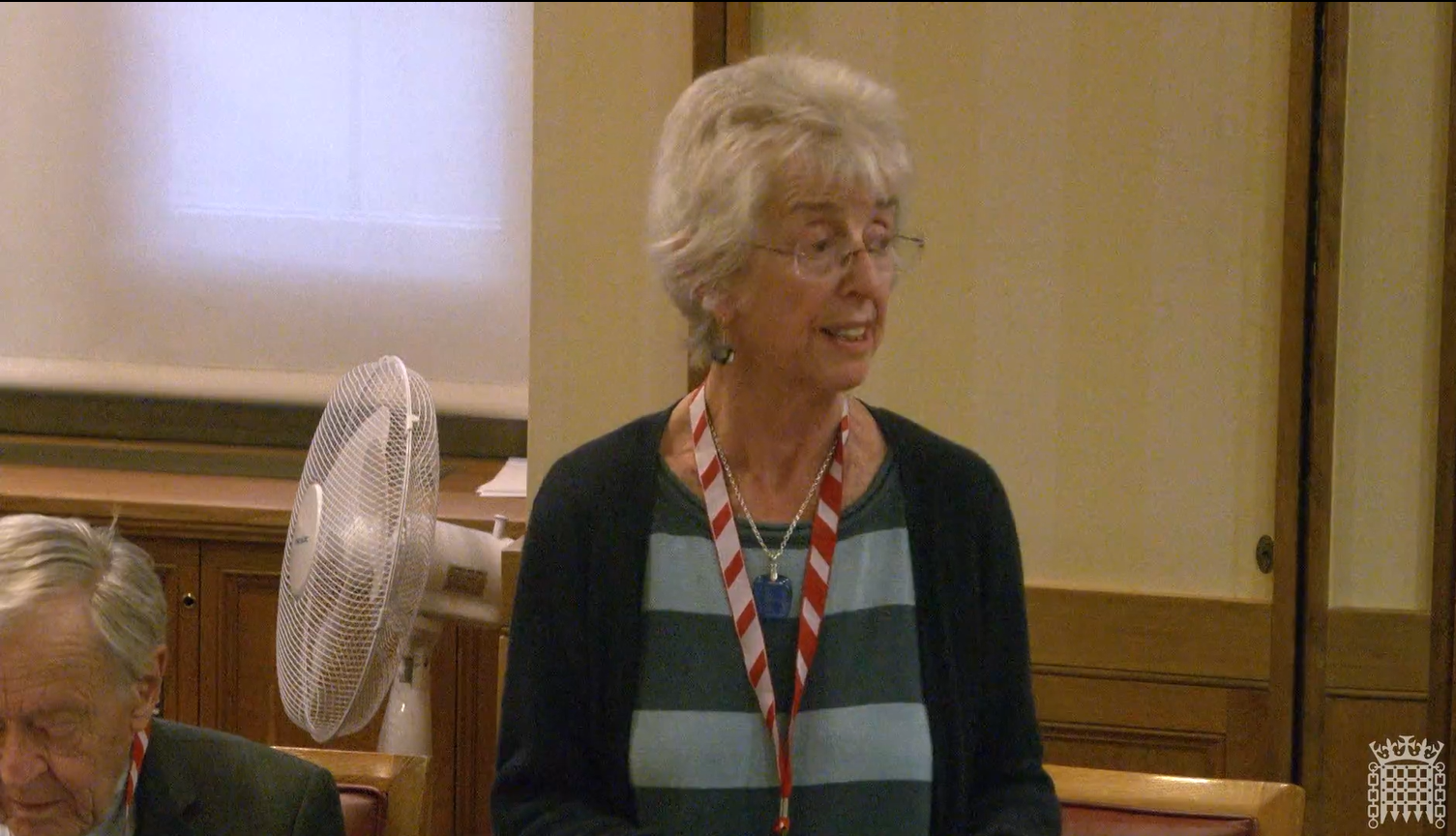
Drawing on concerns raised by Freedom from Torture and the Helen Bamber Foundation, Baroness Lister criticised the lack of consultation and transparency, warning that the accelerated process could fail to identify vulnerable asylum seekers, particularly survivors of torture and trauma and LGBTQI+ people. She also questioned whether applicants would have sufficient time to access legal advice and provide supporting evidence.
Baroness Lister highlighted the SLSC’s criticism of the Home Office for failing to consult stakeholders or publish operational guidance alongside the changes. She questioned whether asylum seekers would be able to disclose sensitive experiences during a single interview, particularly given the barriers faced by survivors of trauma and persecution. She called for clearer safeguards to ensure vulnerable individuals can be transferred to the standard asylum process, improved training for decision-makers and adequate access to legal representation. She also sought assurances that unaccompanied and age-disputed children would remain excluded from the new process, and urged the Government to consult expert organisations, monitor the policy’s impact and publish evidence of its effectiveness before considering any expansion.
RAMP Principals Bishop Guli and Lord German (Lib Dem) also took part in the debate.
The Bishop welcomed the efforts to improve the efficiency of the asylum system but stressed that speed must not come at the expense of fairness or the ability to identify those genuinely in need of protection. She highlighted the difficulties faced by survivors of torture, trafficking and trauma, as well as LGBTQI+ asylum seekers, in disclosing sensitive experiences during an initial interview, warning that incomplete evidence could lead to wrongful refusals and expose individuals to serious harm.
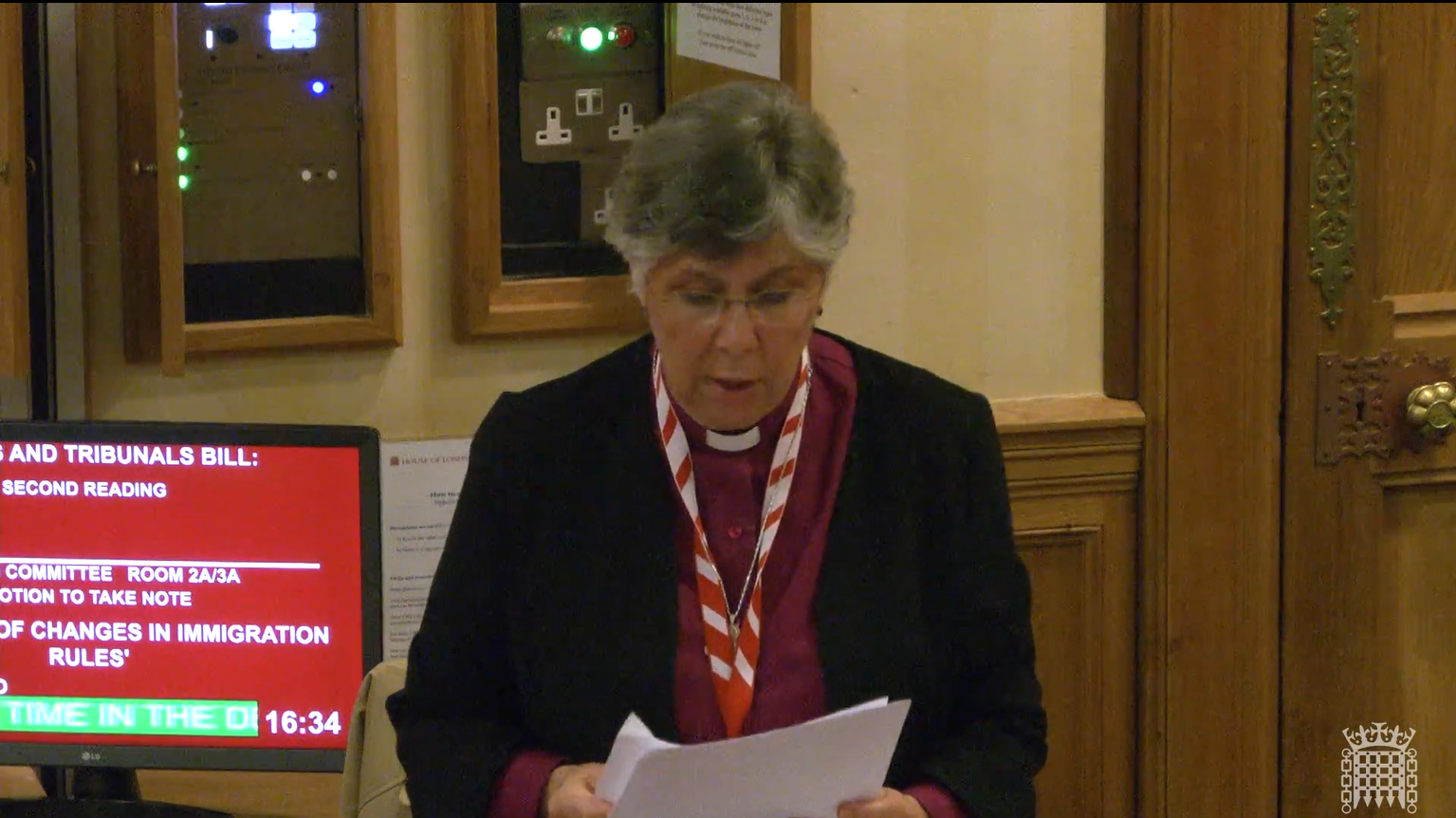
She called for greater clarity on the safeguards in place, including how vulnerable applicants would be identified, whether they could be transferred to the standard asylum process and how their right to submit further evidence would be protected. She also urged the Government to ensure interviewers receive appropriate training and to commit to further parliamentary scrutiny, consultation with expert organisations and transparent monitoring before expanding the use of the new process. She emphasised that the success of the asylum system should be measured not only by its efficiency but by its ability to make fair and accurate decisions that protect those facing persecution.
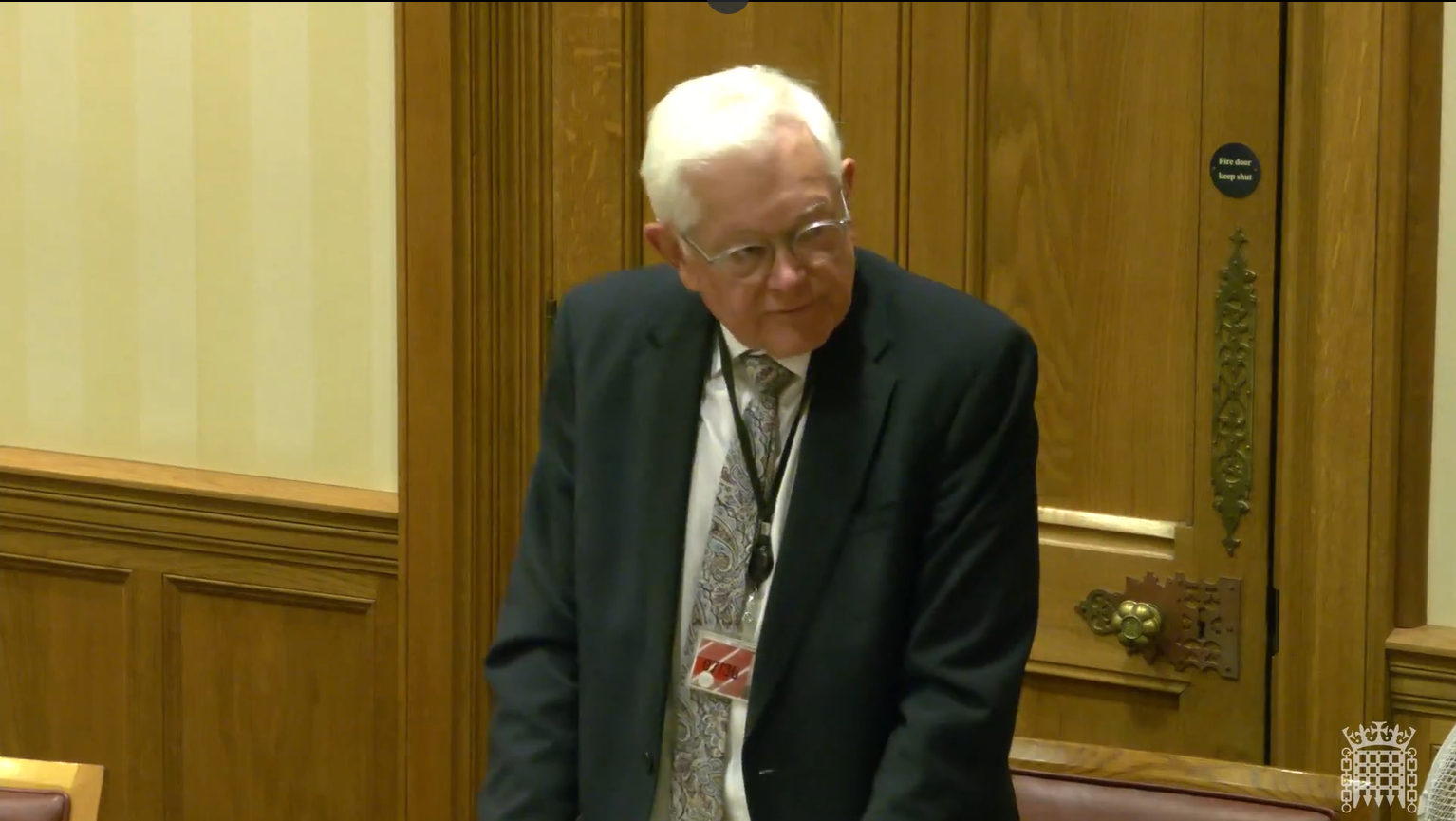
Lord German echoed the concerns highlighted by Baroness Lister and Bishop Guli about the changes representing a significant shift in asylum procedures and the removal of an explicit right to submit further evidence and the potential impact on individual assessments. He emphasised the importance of access to legal advice, appropriate training and safeguards for vulnerable asylum seekers, particularly those experiencing trauma. Lord German criticised the lack of consultation, impact assessment and accompanying guidance, calling on the Home Office to ensure these are provided when introducing significant changes to Immigration Rules. He stressed that efforts to speed up asylum decisions must not undermine fairness or the individual consideration of claims, where the consequences of incorrect decisions could be life-threatening.
Baroness Lister’s decision to bring forward this Motion to Take Note provided an important opportunity for parliamentary scrutiny of changes to the asylum system that might otherwise have received limited debate. The discussion highlighted significant concerns raised by the Secondary Legislation Scrutiny Committee and expert organisations about the lack of consultation, transparency and safeguards within the new process. It also enabled Peers to press the Government for greater clarity and accountability, emphasising the importance of ensuring that efforts to improve efficiency do not come at the expense of fair decision-making or the protection of vulnerable people seeking asylum.