
Lord German Tables Motion to Regret Over Asylum and Refugee Policy Changes
RAMP Associate Lord German has tabled a Motion to Regret, alongside Labour peer Lord Dubs, in response to government changes to refugee and asylum policy.

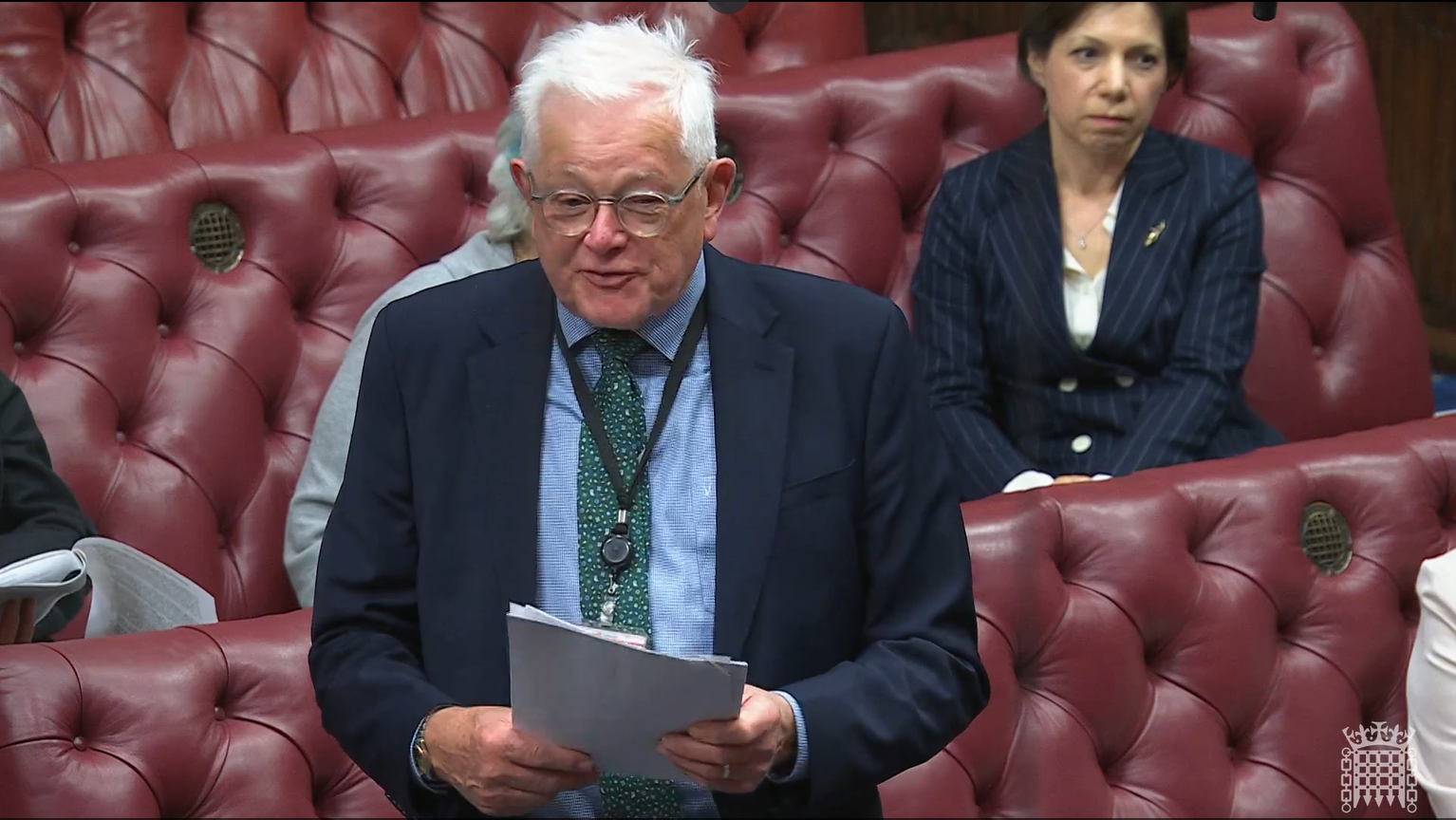
Left: The Lord Dubs Right: The Lord German OBE
The motion raises concerns that the reforms lack a clear plan to reduce the asylum backlog or reliance on hotel accommodation, and could increase administrative costs and complexity. It also warns of potential impacts on integration, the risk of destitution among vulnerable asylum seekers, and additional pressures on local authorities.
A motion to regret allows peers to formally place concerns on the parliamentary record, particularly significant in this case as many of the changes are being introduced through secondary legislation, limiting Parliament’s ability to scrutinise them.
The reforms include making refugee status temporary, subject to review every 30 months, and extending the route to settlement from five to 20 years. Lord German told the Lords that such measures could create prolonged uncertainty for families, affecting their ability to integrate. He highlighted potential impacts on children, noting that repeated reviews may disrupt education and affect access to home tuition fees.
He also noted the administrative and bureaucratic implications for the Home Office of implementing the policy, citing analysis from the Refugee Council suggesting that around 1.9 million cases could be reviewed over the first decade, at an estimated cost of £1.27 billion.
Another element of the changes is the removal of the legal duty to provide housing and financial support to asylum seekers, making such support discretionary. Lord German warned this could increase the risk of destitution, with possible consequences including rough sleeping and greater demand on charities and local authorities.
More broadly, peers argued that the reforms represent a significant shift in the UK’s approach to protection but have been introduced with limited parliamentary scrutiny. Concerns were raised during the debate on the motion that key risks—particularly around integration, administrative capacity and destitution—have not been fully assessed.