
Olivia Blake MP Hosts Westminster Hall Debate on Child Poverty and No Recourse to Public Funds
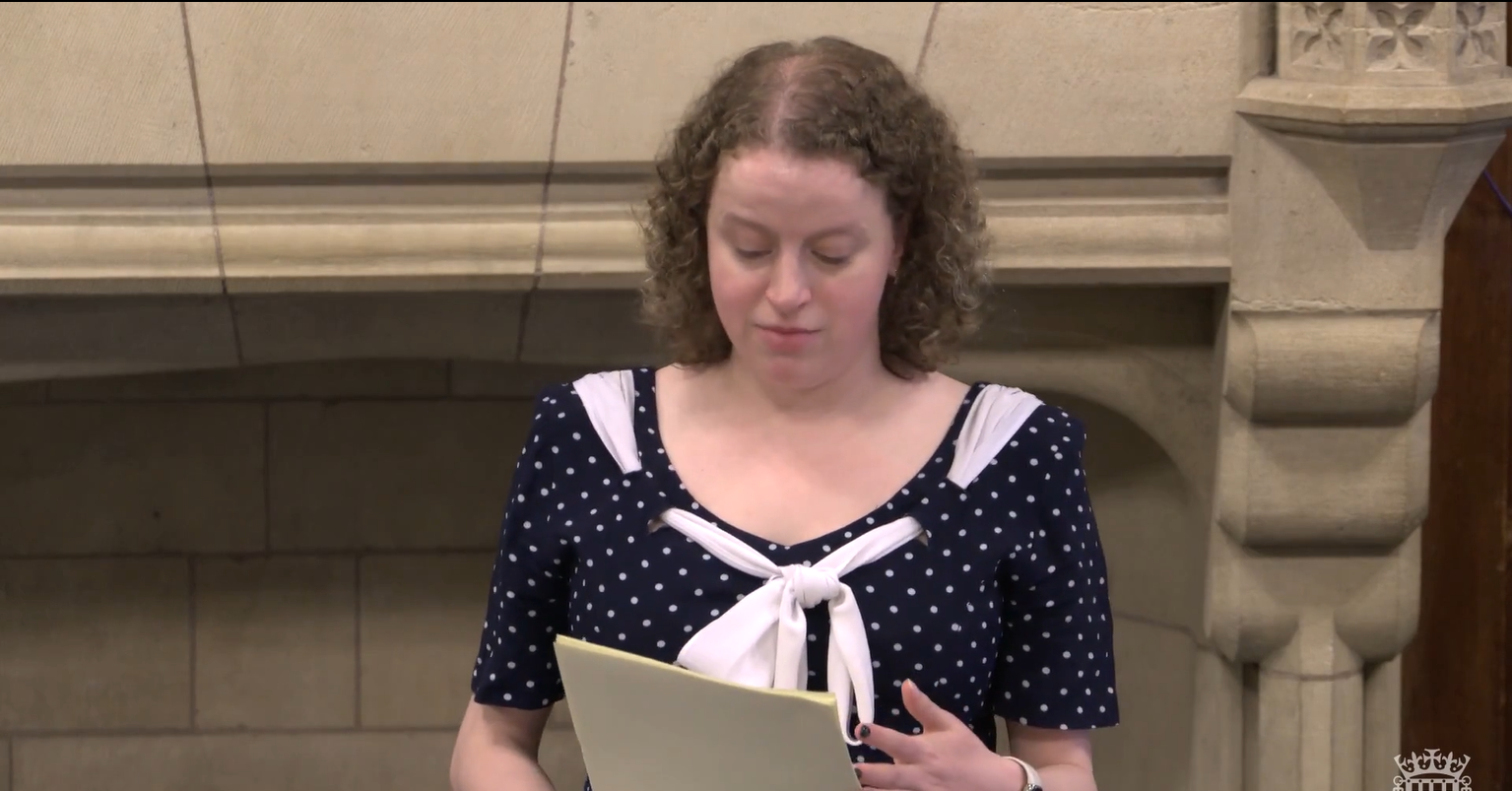
RAMP Principal Olivia Blake MP hosted a Westminster Hall Debate yesterday on Child Poverty and No Recourse to Public Funds.
No Recourse to Public Funds (NRPF) is a government policy that prevents many migrants in the UK from accessing most welfare benefits, like Universal Credit, child benefit, or social housing. It applies to people with certain visa types or immigration statuses, even if they have lived in the UK for many years.
Blake highlighted the wide-ranging impacts of poverty on migrant children, including food insecurity, poor housing, barriers to education, and health issues, as well as effects on social development. She challenged the claim that NRPF policies promote integration, arguing instead that they entrench isolation and vulnerability.
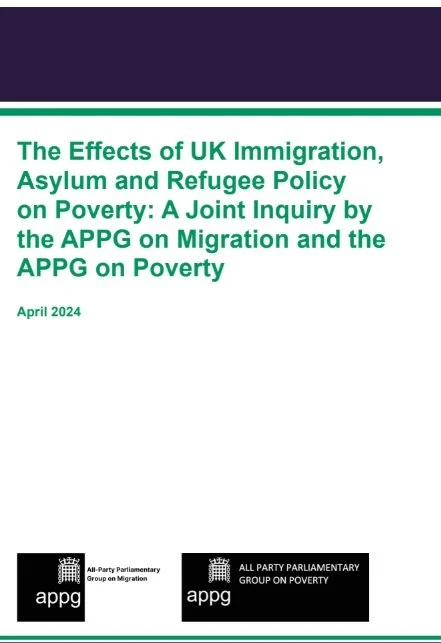
During her speech, she referenced a joint inquiry by the APPG on Migration (which she co-chairs) and the APPG on Poverty and Inequality, detailed in their report The Effects of UK Immigration, Asylum and Refugee Policy on Poverty. The report found that migrants generally experience higher rates of poverty than UK-born individuals and are more likely to face severe deprivation. It concluded that some government policies appear intentionally designed to drive people into poverty as a supposed deterrent to migration—despite little evidence that this approach is effective.
Blake also pointed out the lack of data collected by the Home Office on how many children are affected, though estimates suggest that around 3.6 million people were under NRPF conditions by the end of 2024. She urged that NRPF be included in national conversations on poverty and inequality, especially in light of the current spending review and upcoming child poverty strategy.
In addition, she mentioned the financial burden NRPF places on local councils, quoting London Councils' description of it as a “direct cost shunt” from central government. The Local Government Association also warned that families under NRPF face extreme hardship, not just marginal poverty.
She raised concerns about the lack of accessible legal aid, which makes it difficult for migrants to challenge NRPF status. The legal process is complex, underfunded, and plagued by delays, leaving many migrants unable to exercise their legal rights or change their immigration conditions.
Blake also criticised the proposal in the Government’s immigration White Paper to extend the qualifying period for British citizenship to 10 years, warning it will trap more families in prolonged NRPF status, deepen poverty, and increase pressure on councils. She highlighted that 82% of migrants who borrowed money for visa renewals were in significant debt, and many feel alienated by the long, costly process—undermining integration and creating a sense of second-class residency.
She welcomed the inclusion of migrant children in the upcoming child poverty strategy, but stressed that without meaningful involvement from the Home Office, it risks failure. She called for targeted, cross-departmental action and reliable data collection to support this group, questioning how meaningful policies can be developed when the government does not know how many children are affected.
Blake urged the government to consider recommendations from the Child Poverty Action Group and the Work and Pensions Committee, which advocate for abolishing NRPF for families with children, or at minimum, limiting it to no more than five years.